Hands-On Workshops
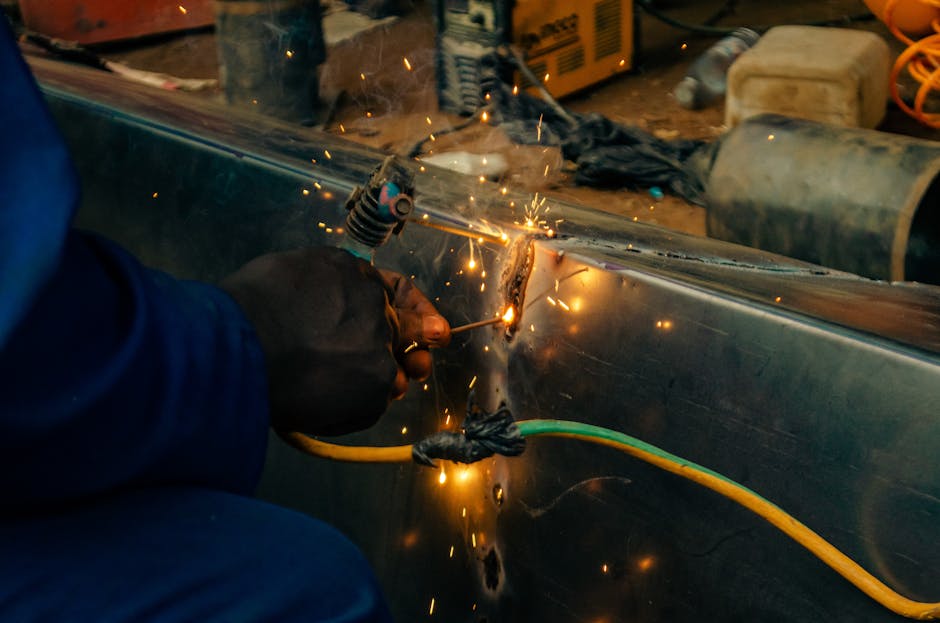
Participants work directly with tools and materials under supervision.
Explore structured training programs in welding, electrical work, plumbing, and construction. Our approach focuses on hands-on practice under guidance, designed for adults considering a career shift or skill enhancement.
Request Information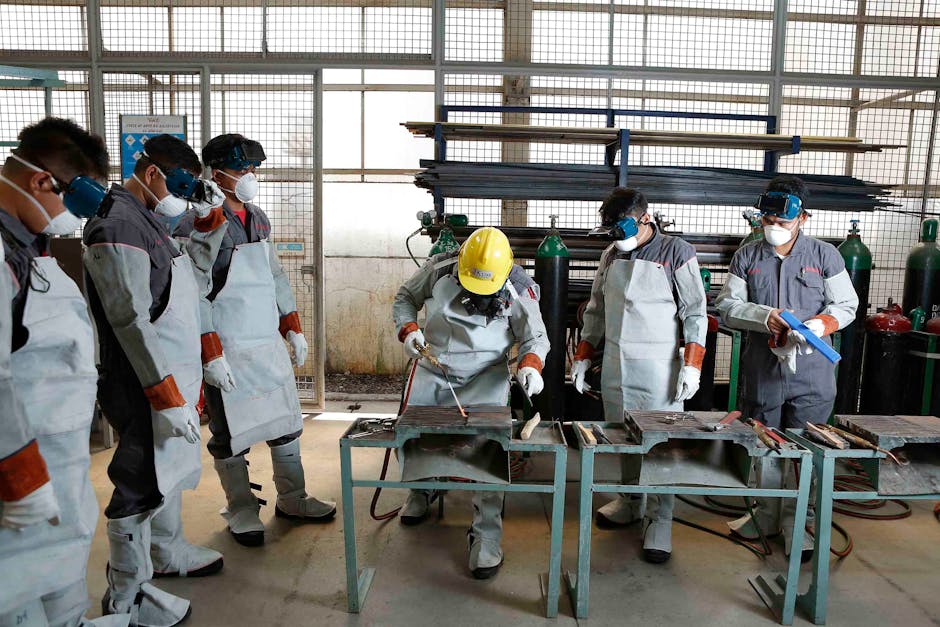
Practical training offers a methodical way to acquire trade skills. By working directly with tools and materials, participants can understand processes in a controlled environment. This form of learning relies on repetition and guidance, allowing each individual to progress at their own pace. SkillForge's programs are designed to provide these conditions for welders, electricians, plumbers, and builders.

SkillForge provides structured educational programs in several trade specializations. Our curriculum is built around intensive practical sessions, supported by experienced mentors. Each course covers fundamental techniques and safety protocols. We aim to create an environment where adults can explore new professional pathways or refine existing abilities. Our approach emphasizes step-by-step instruction and hands-on application, giving participants a chance to develop competence gradually.
Participants work directly with tools and materials under supervision.
Each session includes guidance from professionals with field experience.
Courses are offered at various times to accommodate different routines.
Content is organized into clear stages for gradual learning.
The welding course provided a clear progression from basic to advanced techniques. The mentors were patient and explained each step thoroughly.
I appreciated the focus on safety and methodical practice. The electrician program gave me a solid foundation in circuit understanding.
The plumbing course was well-organized with plenty of time for hands-on work. I learned how to approach different system configurations.
SkillForge’s training approach is based on incremental learning. Each module introduces new concepts after previous ones are practiced. This sequential method helps individuals build a comprehensive understanding. Sessions are conducted in small groups to allow personalized attention. Participants are encouraged to ask questions and repeat exercises as needed.
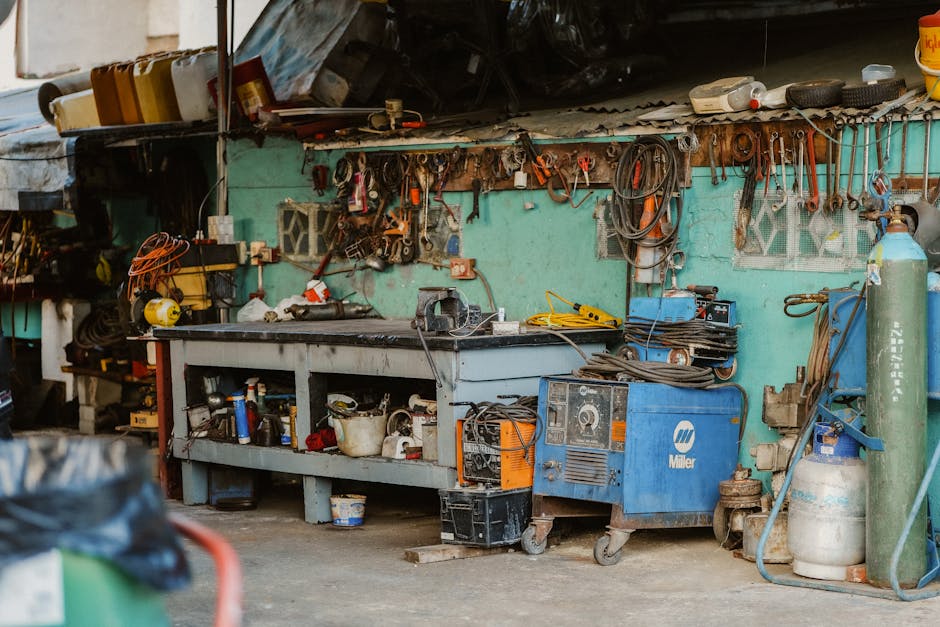
Our training workshops are equipped with standard industry tools for each trade. The environment is designed to simulate real-world conditions while maintaining safety standards. Participants have access to materials and equipment necessary for practice. The workspace is arranged to facilitate clear visibility and movement. Instructors ensure that each workstation is properly set up before sessions.

Discuss your goals and select a trade specialization.
Complete registration and receive course materials.
Attend hands-on workshops with mentor guidance.
Review skills through periodic practical evaluations.

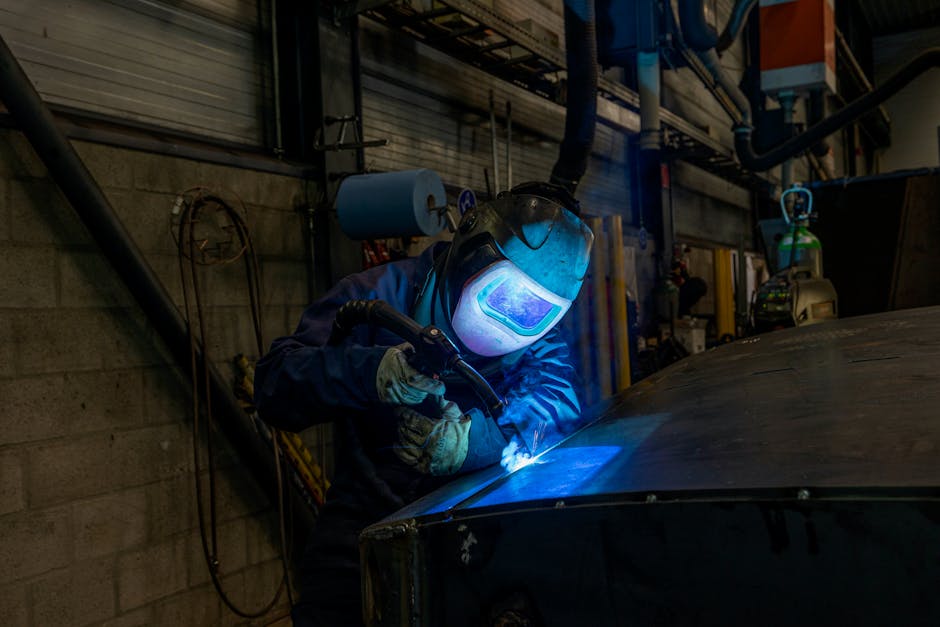

Our mentors are experienced professionals who have worked in their respective trades for several years. They bring practical knowledge of industry standards and safety practices. Before leading a course, each mentor undergoes a training program on instructional methods. Their role is to guide participants through exercises, clarify techniques, and provide constructive feedback. The goal is to create a supportive learning atmosphere.

Trade training involves a combination of theoretical explanation and practical application. In welding, for instance, participants learn about metal properties and joint types before practicing bead runs. Electrical training covers circuit theory and wiring diagrams, followed by hands-on connections. Plumbing education includes pipe materials and system layouts, with exercises in assembly and repair. Construction training addresses blueprint reading and material handling, then moves to tool usage and framing. Each method relies on repetition and incremental difficulty. SkillForge structures these sequences to allow learners to build confidence step by step. The emphasis is on understanding processes rather than achieving a specific outcome. External factors such as individual aptitude and prior experience can influence the pace of learning.
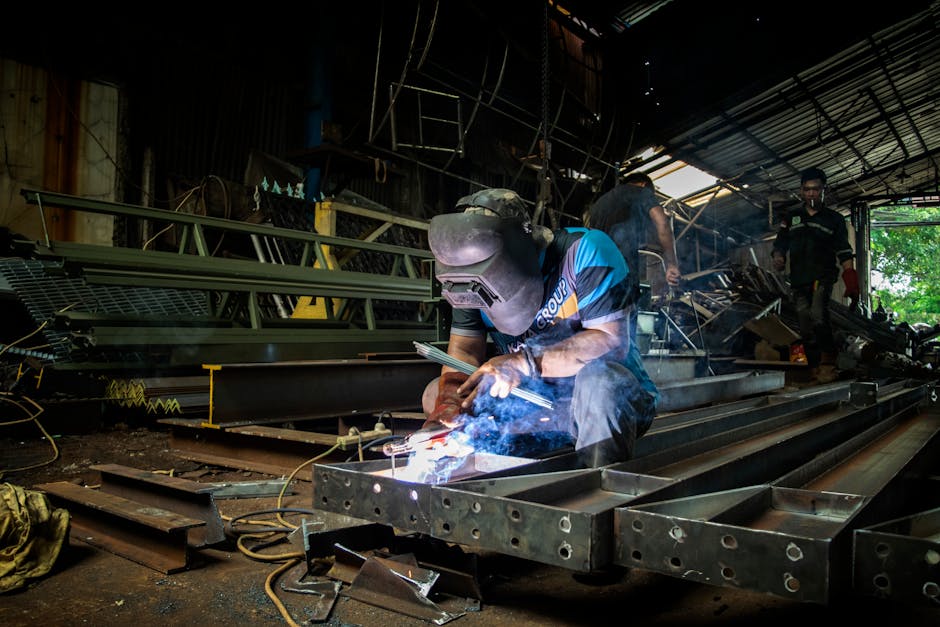
Training uses equipment commonly found in professional settings.
Each session has defined goals and expected activities.
All workshops follow established safety guidelines and procedures.
Courses are arranged in blocks to fit into weekly plans.
SkillForge believes that effective trade education stems from a structured and transparent approach. We focus on providing a clear framework for learning, where each step is explained and practiced. Our philosophy does not guarantee specific outcomes, but rather creates conditions for skill acquisition. We recognize that individual progress depends on many factors, including prior knowledge and consistent effort. By offering a methodical curriculum and supportive environment, we aim to facilitate each participant's learning journey.

Our programs are regularly reviewed and updated based on feedback and industry developments. We strive to keep content relevant and practical. Instructors consult with each other to refine teaching techniques. The goal is to maintain a learning environment that responds to the needs of participants.
Browse available trade programs and read descriptions.
Reach out via phone or email to ask questions.
Complete the enrollment process and confirm your spot.
Attend the first session and start hands-on learning.
If you have questions or would like to learn more about our programs, please fill out the form. We will respond within one business day.
If you have questions or would like to learn more about our programs, please fill out the form. We will respond within one business day.